

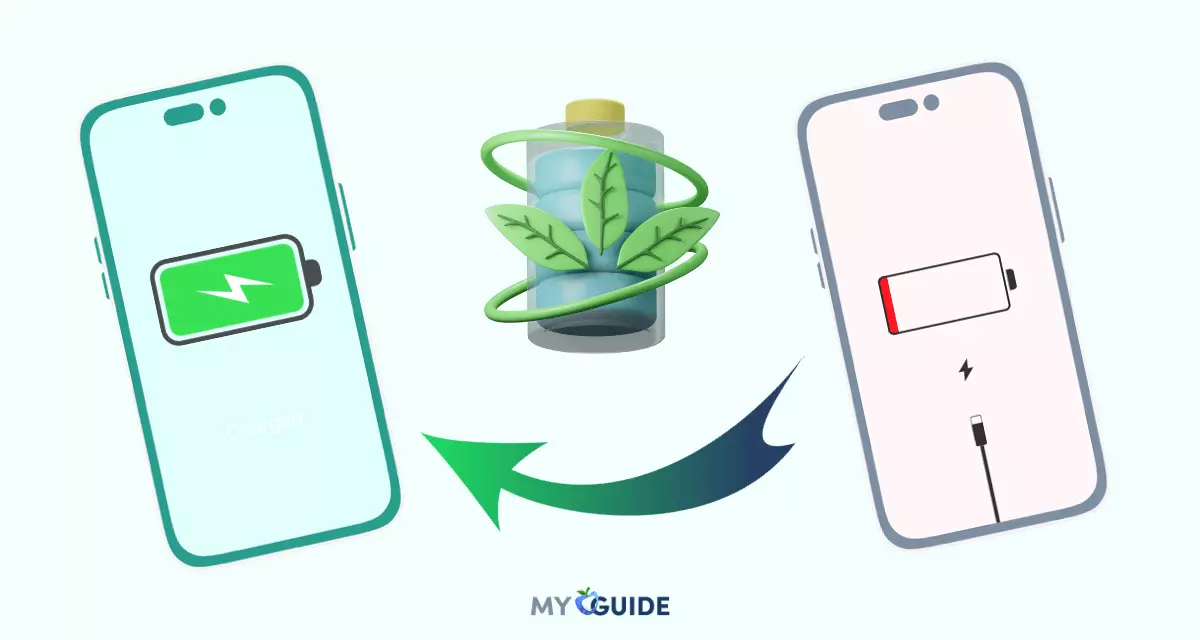
You check your iPhone’s battery health one day and it’s dropped to 89% — and a little panic sets in. Here’s the reassuring truth: some wear is completely normal, and most of what shortens a battery’s life comes down to a few habits (mostly heat and how you charge). Get those right and your iPhone can stay near full capacity for years.
This guide cuts through the myths and gives you what actually works to maintain battery health on your iPhone — backed by Apple’s own guidance and updated for today’s iPhones (yes, including the newer USB-C models and the 80% charge limit). Let’s keep your battery healthy.
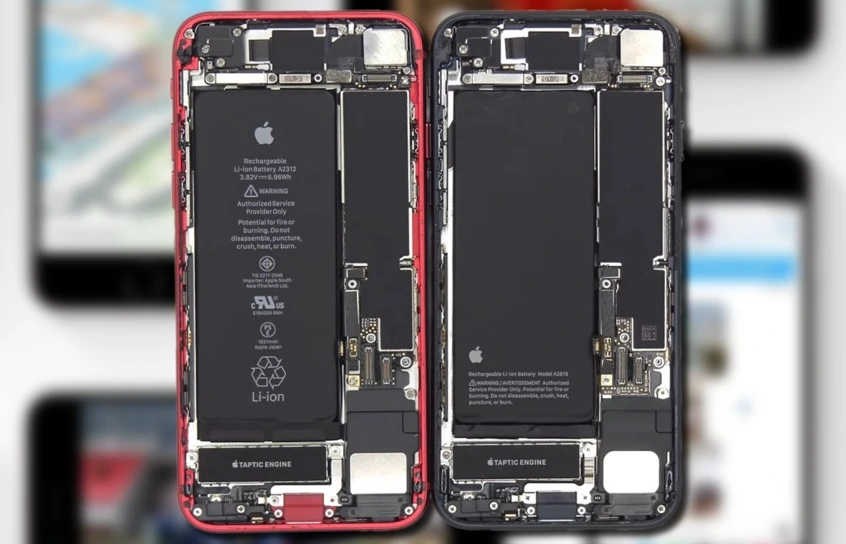
⚡ The 5 Habits That Matter Most
- Keep it cool. Heat is the #1 battery killer — avoid hot cars, direct sun, and heavy use while charging.
- Leave Optimized Battery Charging ON. It manages charging for you — which is why overnight charging is fine.
- Live in the 20–80% range when it’s easy; on iPhone 15 and later, try the built-in 80% limit.
- Use quality, certified chargers (USB-C / MFi) — not the cheapest no-name brick.
- Keep iOS updated — updates include battery and efficiency fixes.
The rest of this guide explains each of these — plus the myths worth ignoring.
First, Check Your iPhone’s Battery Health
Before changing habits, see where you stand. Go to Settings → Battery → Battery Health & Charging. Two numbers matter:
- Maximum Capacity — your battery’s current capacity versus new. In the high 90s or 100% is great; anything above 80% is still healthy.
- Cycle Count (shown on newer iOS) — how many full charge cycles you’ve used. One cycle = 100% of capacity used, not one plug-in.
💡 Know your rating: per Apple, iPhone 14 and earlier are designed to keep 80% capacity at 500 charge cycles; iPhone 15 and later are rated for 1,000 cycles — double. So a small dip in the first year is normal, not a defect.
How to Maintain iPhone Battery Health
1. Keep Your iPhone Cool (Heat Is the Real Enemy)
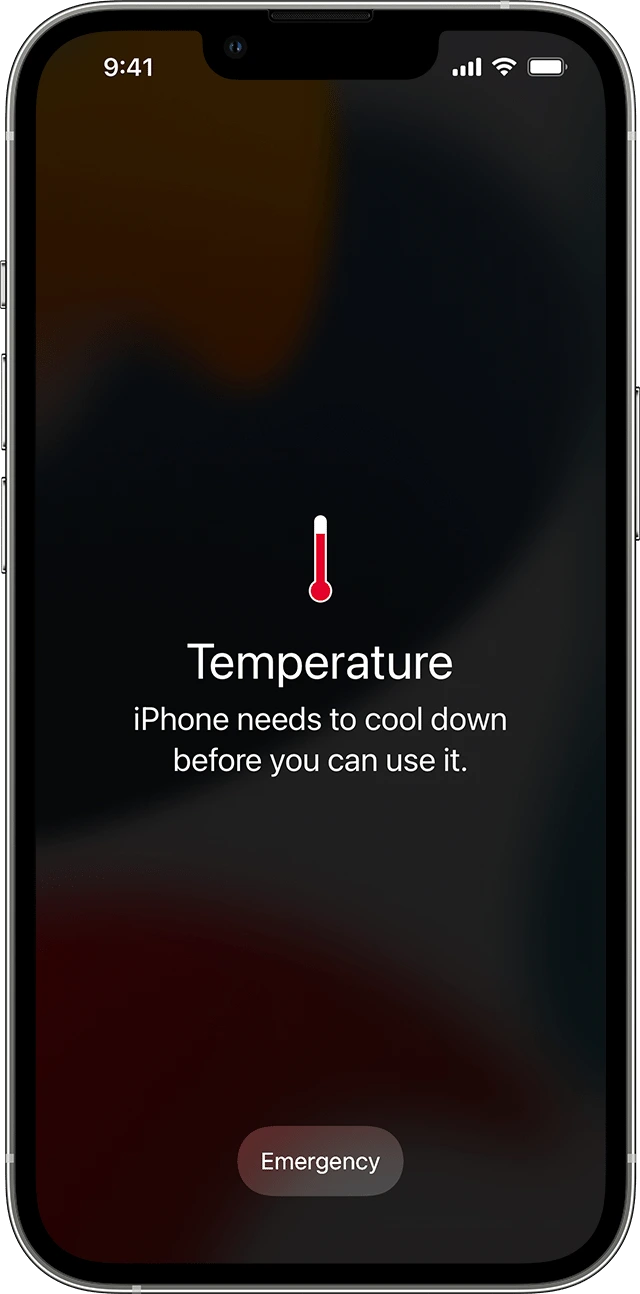
If you remember one thing, make it this: heat ages a lithium-ion battery faster than anything else. Apple’s ideal comfort zone is roughly 16° to 22°C (62–72°F), and sustained temperatures above 35°C (95°F) can cause permanent capacity loss. Keep your iPhone out of hot cars and direct sun, and take it out of a thick case if it gets warm while charging.
2. Leave Optimized Battery Charging Turned On
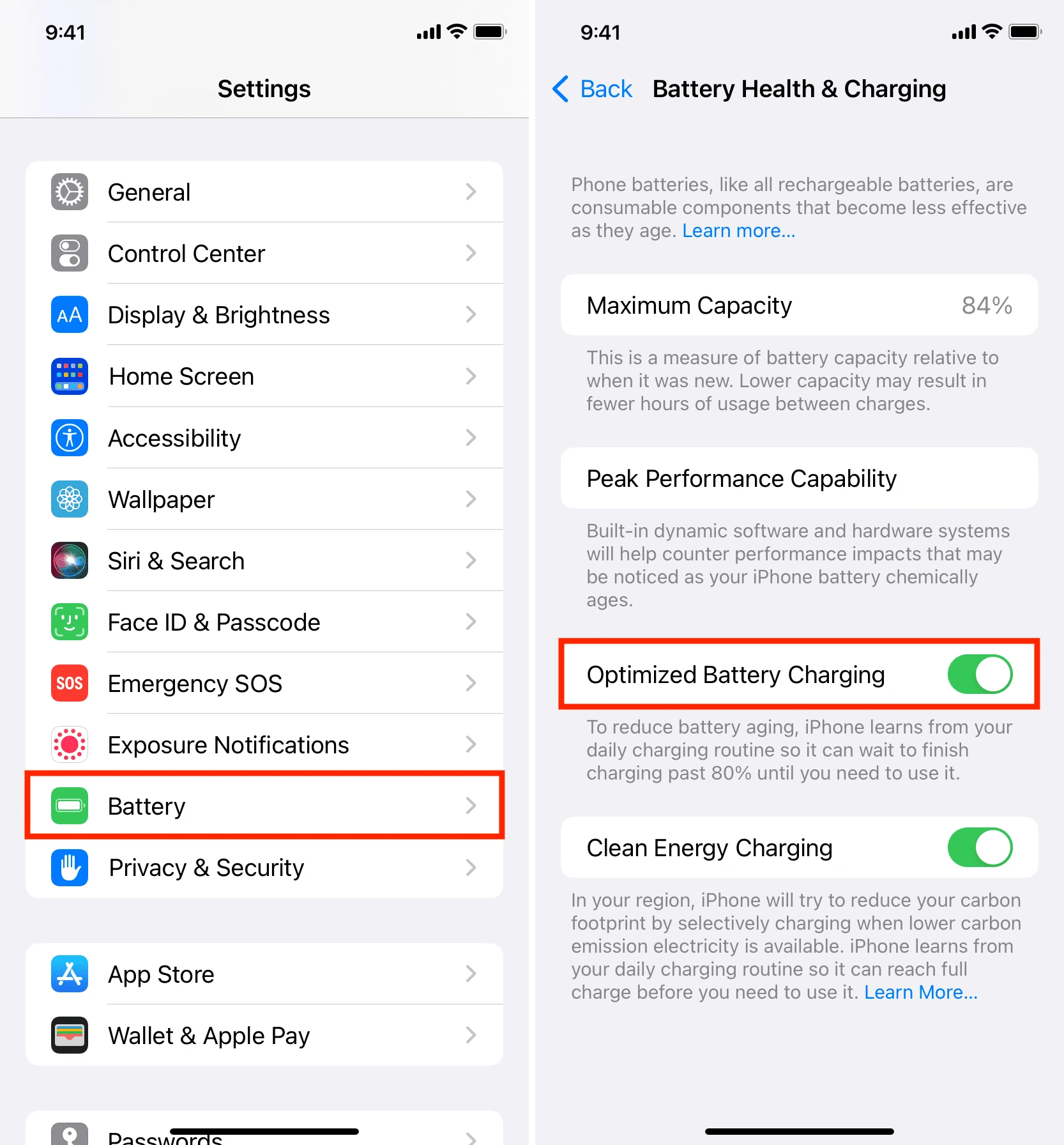
This is Apple’s built-in protection, and it’s on by default (Settings → Battery → Battery Health & Charging). It learns your routine, holds the charge at 80% overnight, and tops up to 100% just before you usually wake — so the battery spends less time sitting full. Leave it on; it does the hard work for you.
3. Aim for 20–80% (and Use the 80% Limit on iPhone 15+)
Lithium-ion batteries are happiest in the middle. You don’t need to obsess, but avoiding long stretches at a full 100% or a dead 0% helps. If you have an iPhone 15 or later, there’s an even easier option: a built-in 80% charge limit in the same Battery settings that simply stops charging at 80%. Great if you’re usually near a charger anyway.
4. Use Quality, Certified Chargers
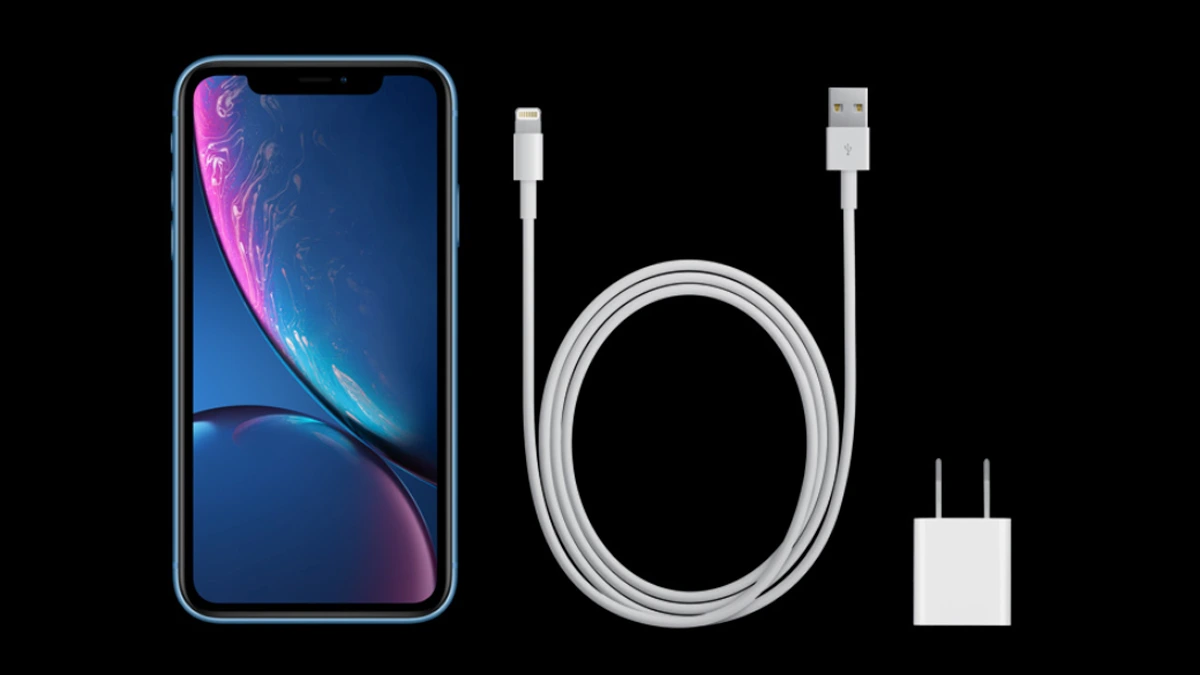
You don’t have to buy Apple-branded — but you do want certified. Look for USB-C Power Delivery bricks and MFi-certified or USB-C cables from reputable brands (Anker, Belkin, and the like). Newer iPhones (15 and up) use USB-C; older ones use Lightning. Cheap, uncertified chargers can run hot and skimp on safety protections — exactly what you don’t want near your battery.
5. Don’t Play Demanding Games While Charging
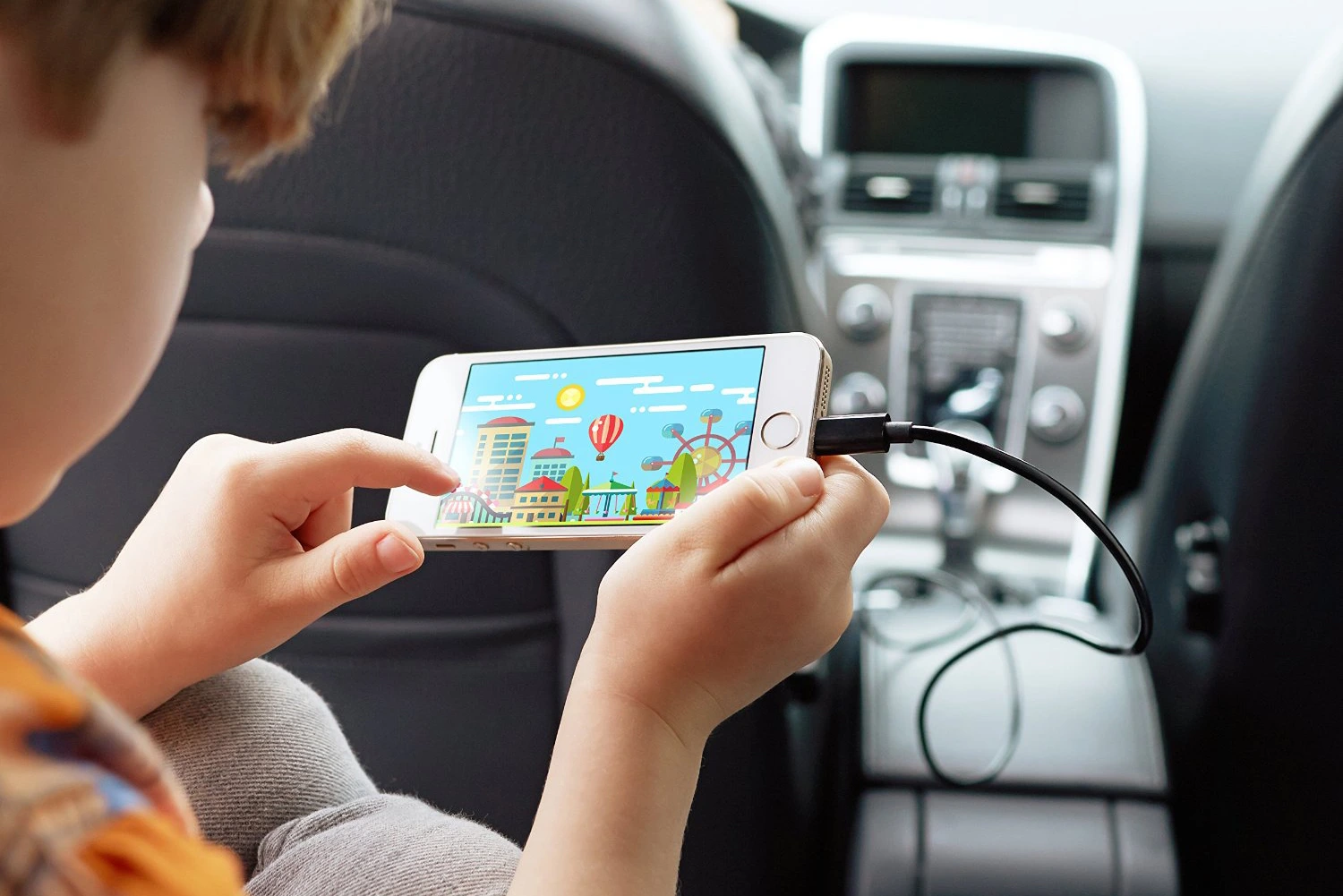
Light use while charging — messages, a bit of scrolling — is fine. The thing to avoid is a long, graphics-heavy gaming session while plugged in, because charging plus a maxed-out chip creates a lot of heat, and heat is what wears the battery. Charge first, then game.
6. Trim Battery-Hungry Settings

This helps day-to-day runtime (fewer charges = fewer cycles). In Settings → Battery you can see which apps drain the most; then dial back Background App Refresh, lower screen brightness (or use Auto-Brightness), and turn on Low Power Mode when you’re running low. Dark mode helps a little too, since iPhone OLED screens use less power showing black pixels.
7. Keep iOS Up to Date
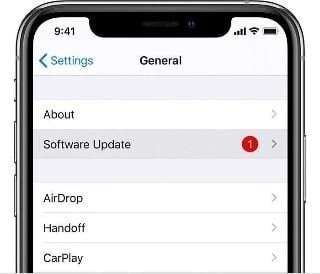
Apple regularly ships efficiency and battery-management improvements in iOS updates. Staying current (Settings → General → Software Update) keeps your iPhone running its best. If a brand-new update drains faster for a day or two, that’s usually background re-indexing settling down — give it 48 hours before worrying.
8. Storing an iPhone? Leave It at ~50%
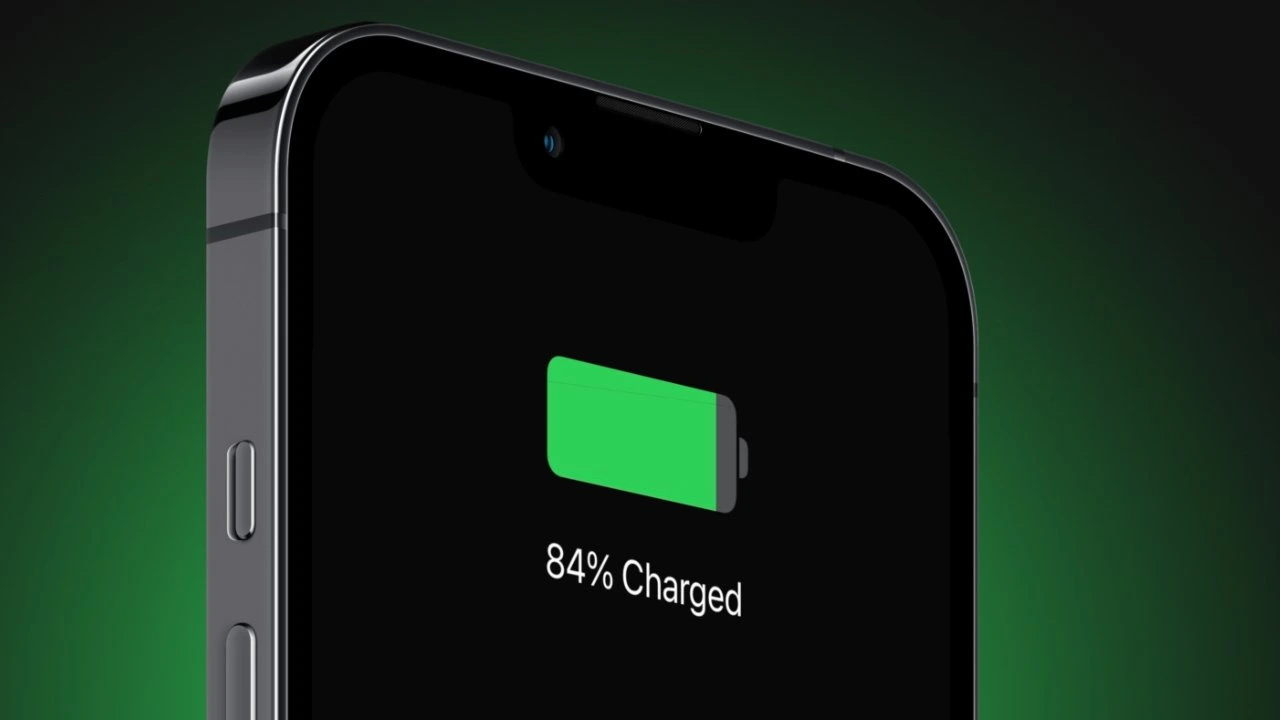
Keeping an old iPhone as a spare? Don’t store it full or empty — charge it to about 50%, power it off, and keep it somewhere cool. A battery left fully drained for months can slip into a deep discharge it may never recover from; one left at 100% ages faster. Half full is the sweet spot for long-term storage.
Battery Myths Worth Ignoring
- “Charging overnight ruins the battery.” Not on a modern iPhone — Optimized Battery Charging is built exactly for this.
- “Always drain to 0% before charging.” That’s old nickel-battery advice. Lithium-ion prefers frequent top-ups and hates deep discharges.
- “Closing all apps saves battery.” It usually doesn’t — relaunching apps can use more power. Let iOS manage them.
- “Fast charging destroys your battery.” The impact is minor; the real variable is heat, which your iPhone actively manages.
When Should You Replace the Battery?
Once Maximum Capacity drops below 80%, iOS shows a “Service Recommended” note, and you’ll likely notice shorter runtime or occasional slowdowns under load. That’s the point to book a battery replacement at an Apple Store or authorized provider — a fresh battery is far cheaper than a new phone and makes an older iPhone feel new again. For deeper detail, see Apple’s own battery guidance.
While you’re optimizing your device, you might also like our guides on showing the battery percentage on iPhone and the best iCloud storage alternatives.
Frequently Asked Questions
What is a good iPhone battery health percentage?
A new iPhone shows 100% Maximum Capacity, and anything above 80% is still considered healthy. A small drop in the first year is normal. Once it falls below 80%, iOS shows Service Recommended and a battery replacement is worth considering.
Is it bad to charge my iPhone overnight?
No, not on a modern iPhone. Optimized Battery Charging holds the charge at 80% overnight and finishes topping up just before you usually wake, so the battery spends less time sitting full. Just keep that feature turned on and the phone somewhere cool.
What percentage should I charge my iPhone to?
Keeping the charge roughly between 20% and 80% is easiest on a lithium-ion battery, though you do not need to obsess over it. On iPhone 15 and later you can switch on the built-in 80% charge limit in Battery settings to do this automatically.
Does dark mode save battery on iPhone?
Yes, modestly, on iPhones with OLED displays (iPhone X and most models since). OLED screens turn off individual black pixels, so dark backgrounds use less power, especially at higher brightness. On older LCD iPhones the effect is negligible.
How many charge cycles does an iPhone battery last?
iPhone 14 and earlier are designed to keep 80% of capacity for about 500 full charge cycles, while iPhone 15 and later are rated for 1,000 cycles. With good habits, that can mean several years of daily use before a replacement is worthwhile.
Does fast charging damage the iPhone battery?
The long-term impact of fast charging is minor. The real factor is heat, which your iPhone actively manages, and it also slows charging as it approaches full. For everyday charging a standard adapter is fine; save fast charging for when you genuinely need a quick top-up.
Why is my iPhone battery draining so fast?
Common causes are high screen brightness, heavy Background App Refresh, a rogue app, poor signal, or heat. Check Settings then Battery to see which apps use the most power, dial those back, and turn on Low Power Mode when you are running low.
When should I replace my iPhone battery?
Replace it when Maximum Capacity drops below 80%, iOS shows Service Recommended, or you notice clearly shorter runtime or slowdowns under load. A replacement at an Apple Store or authorized provider is far cheaper than a new phone and restores full performance.
Final Verdict
You don’t need to baby your iPhone — you just need to avoid the few things that genuinely age a battery. Keep it cool, leave Optimized Battery Charging on, favour the 20–80% range, use certified chargers, and stay on the latest iOS. Do that and your battery should comfortably outlast its cycle rating.
One last thing: stop stressing over every percentage point — heat and deep-discharge are what matter, not a single overnight charge. Next step: open Settings → Battery → Battery Health & Charging right now, confirm Optimized Battery Charging is on, and set the 80% limit if your iPhone offers it.





![TablePlus Review [year]: Features, Pricing, Pros & Cons](https://myappleguide.b-cdn.net/wp-content/uploads/2025/07/TablePlus-Review-Features-Pricing-Pros-Cons-150x150.webp)